Ingredients
- 1 tablespoon lemon zest
- Juice of 1/2 lemon and 1/2 lime
- 1/8 - 1/4 cup extra-virgin olive oil
- bag of chopped kale, ribs removed
- lemon pepper without MSG (suggest Chef Paul Prudhomme Lemon & Cracked Pepper - no salt or sugar added)
- 1/4 cup or less cup balsamic vinegar
- Coarse salt and freshly ground black pepper
- 1 Tbsp organic agave nectar or honey optional
Directions
In a large bowl, whisk together lemon zest, lemon juice, and olive oil until well combined. Add kale and toss to coat. Season with salt and pepper. Use your hands to "massage" the leaves. Leave out at room temperature for an hour.
Marinating overnight in the refrigerator is better.
Toss before serving. Adjust taste/seasoning
Kale
Kale is a form of cabbage (Brassica oleracea Acephala Group), with green or purple leaves, in which the central leaves do not form a head. It is closer to wild cabbage than most domesticated forms. The species Brassica oleracea contains a wide array of vegetables, including broccoli, cauliflower, collard greens, and Brussels sprouts.
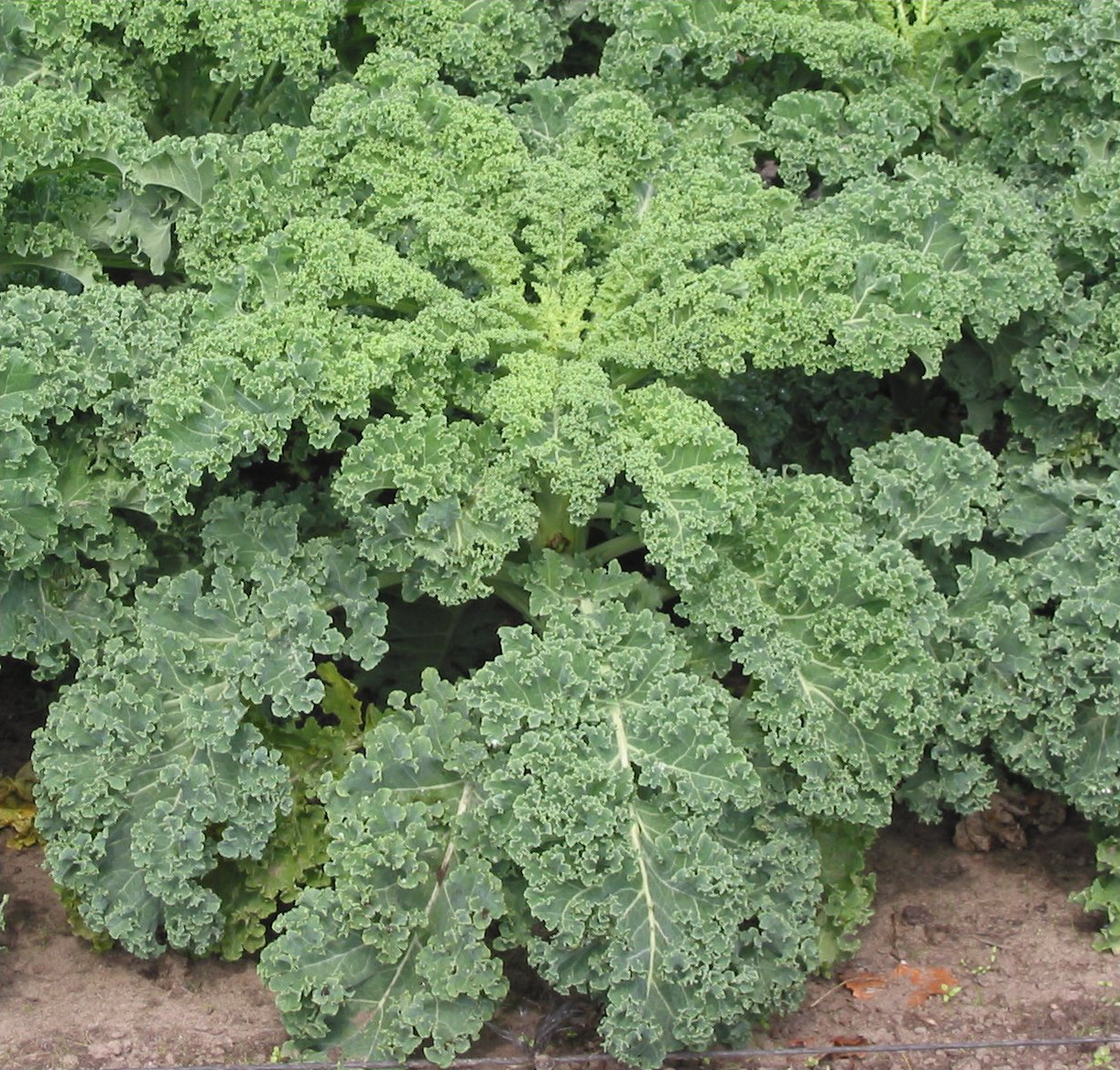 Kale is very high in beta carotene, vitamin K, vitamin C, lutein, zeaxanthin, and rich in calcium. Kale, as with broccoli contains sulforaphane (particularly when chopped or minced), a chemical with potent anti-cancer properties. Kale is also a source of indole-3-carbinol, a chemical which boosts DNA repair in cells and appears to block the growth of cancer cells. Kale is also a good source of carotenoids.
Yuesheng Zhang & Eileen C. Callaway (May 2002). "High cellular accumulation of sulphoraphane, a dietary anticarcinogen, is followed by rapid transporter-mediated export as a glutathione conjugate". The Biochemical journal 364 (Pt 1): 301–307.PMC 1222573. PMID 11988104.
Warwick Medical School, University of Warwick (2007-05-15)."Research Says Boiling Broccoli Ruins Its Anti Cancer Properties".
"How Dietary Supplement May Block Cancer Cells". Science Daily. 30 June 2010. Retrieved 5 September 2010.
Organic agave nectar
 |
| Agave americana |
The liquid the agave plant uses to nourish itself, called aguamiel, has been consumed directly from the plant itself for centuries. Beware of the increasing number of fraudulent, poor-quality “agave” products. Natural agave has been harvested traditionally in Mexico. The agave plant also contains saponins and fructans, phytochemicals associated with antimicrobial, anti-inflammatory and immune-boosting capabilities. (Journal of Ethnopharmacology, 1996; 52:175-7).
Agave azul (blue agave) is used in the production of tequila.


No comments:
Post a Comment